Structuring commercial furniture specifications
Hospitality furniture faces continuous wear from changing guests, luggage impact, and frequent commercial cleaning chemicals. Residential construction methods quickly fail in contract environments. Solid hardwood internal framing, mortise and tenon joinery reinforced with corner blocks, and high density cold cure molded foams are fundamental requirements for seating longevity.
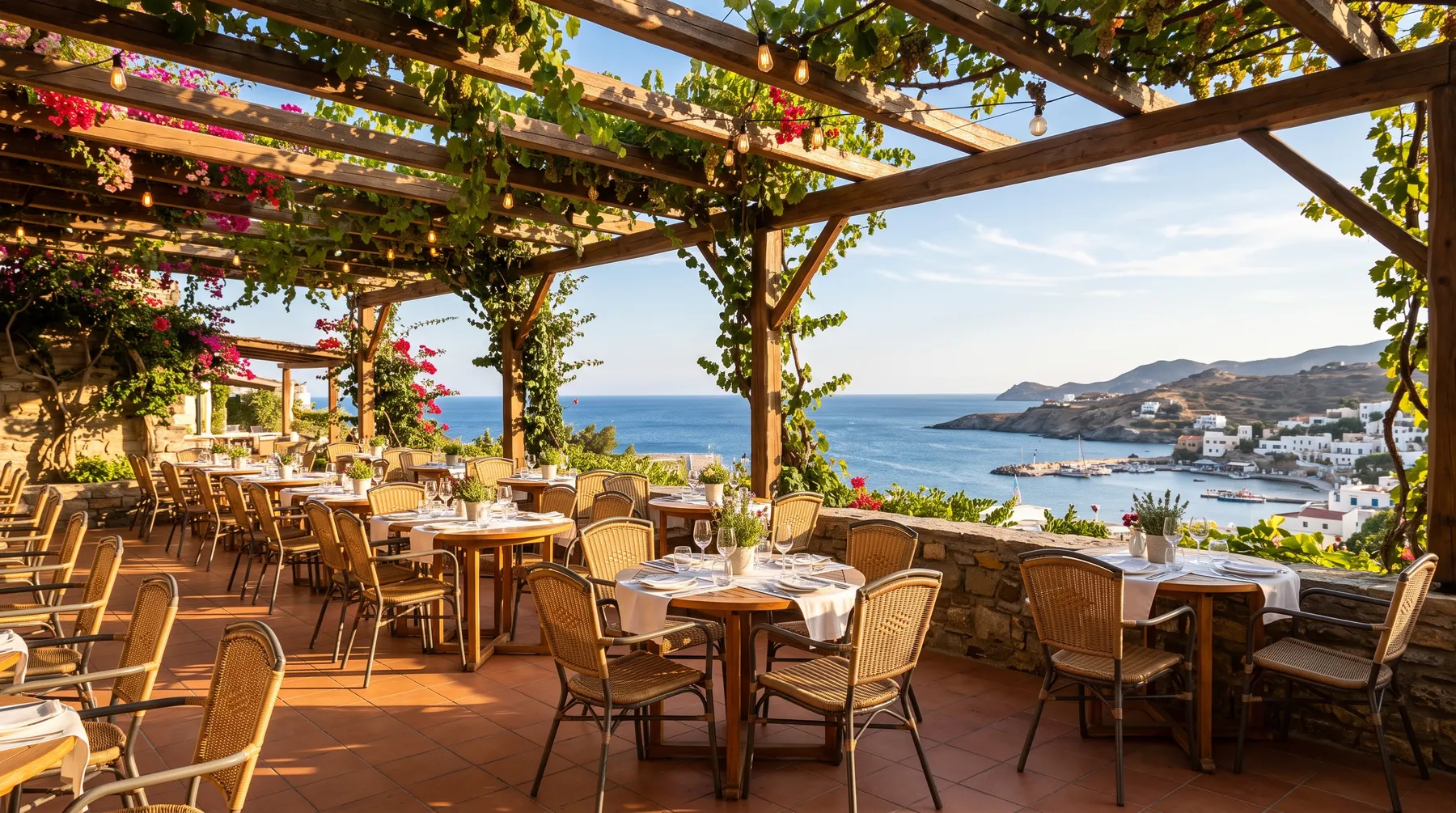
For dining chairs and barstools, specifications must require compliance with European standard EN 16139, which defines test methods for the strength, durability, and safety of non domestic seating. General contract areas require Level 1 testing, while high traffic nightclubs, banquet halls, and public transit areas should mandate Level 2 extreme use certification.
Contract furniture test standards and material specifications
| Furniture group | Structural test standard | Upholstery abrasion (Martindale) | Finish criteria |
|---|---|---|---|
| Restaurant dining chairs | EN 16139 Level 1 or 2 | Minimum 40,000 rubs | Scratch resistant polyurethane lacquer |
| Lounge and lobby armchairs | EN 16139 Level 1 | Minimum 50,000 rubs | Stain repellent textile coating |
| Banqueting folding tables | EN 15372 Level 2 | Not applicable | High pressure laminate with PVC bumper edge |
| Hotel bedroom case goods | EN 16121 non domestic storage | Not applicable | Moisture sealed veneer or melamine |
| Hotel bed bases and headboards | EN 1725 stability and durability | Minimum 30,000 rubs | Reinforced steel bracket connections |
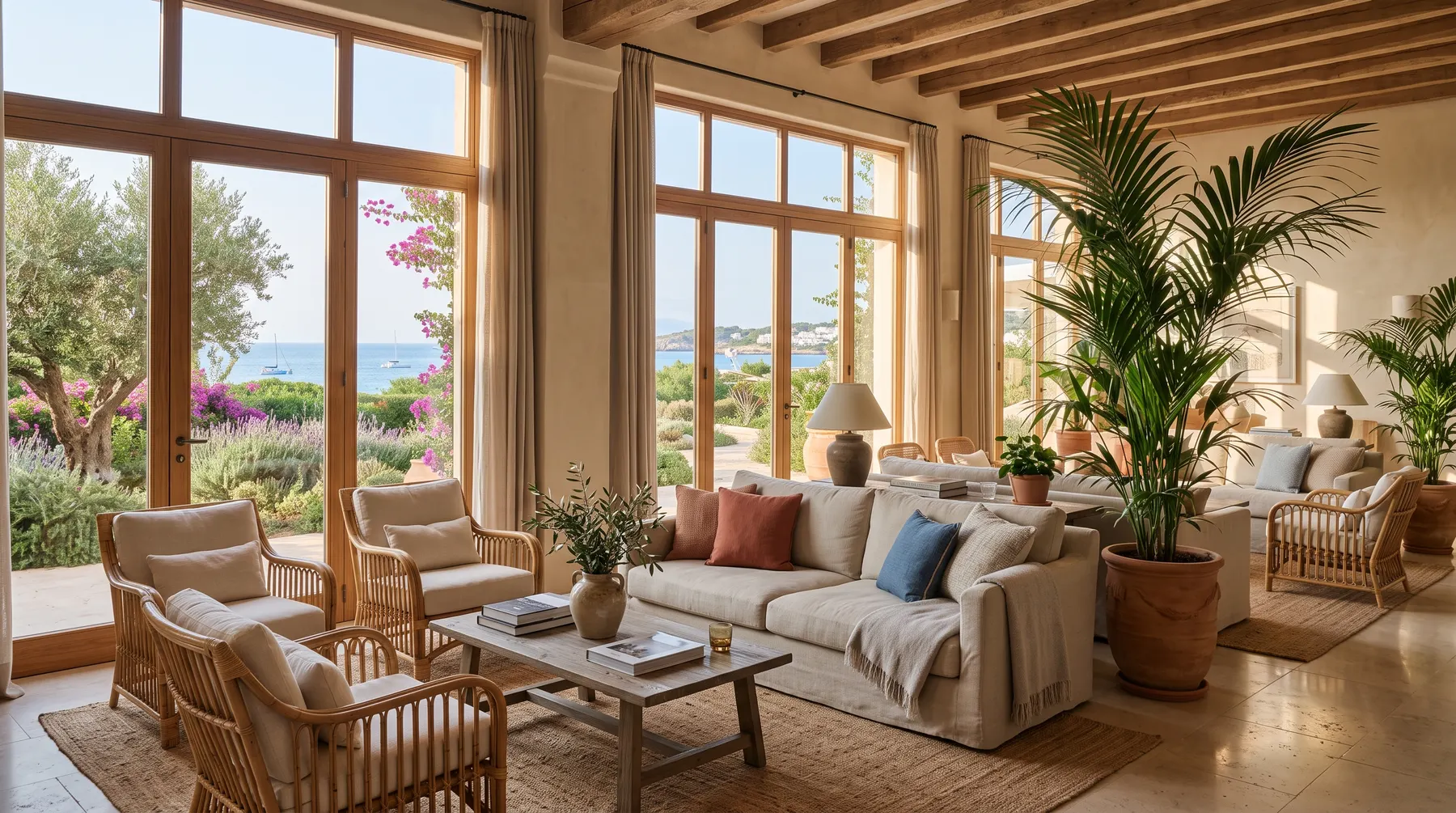
Contract lobby lounge seating upholstered with heavy commercial fabrics.
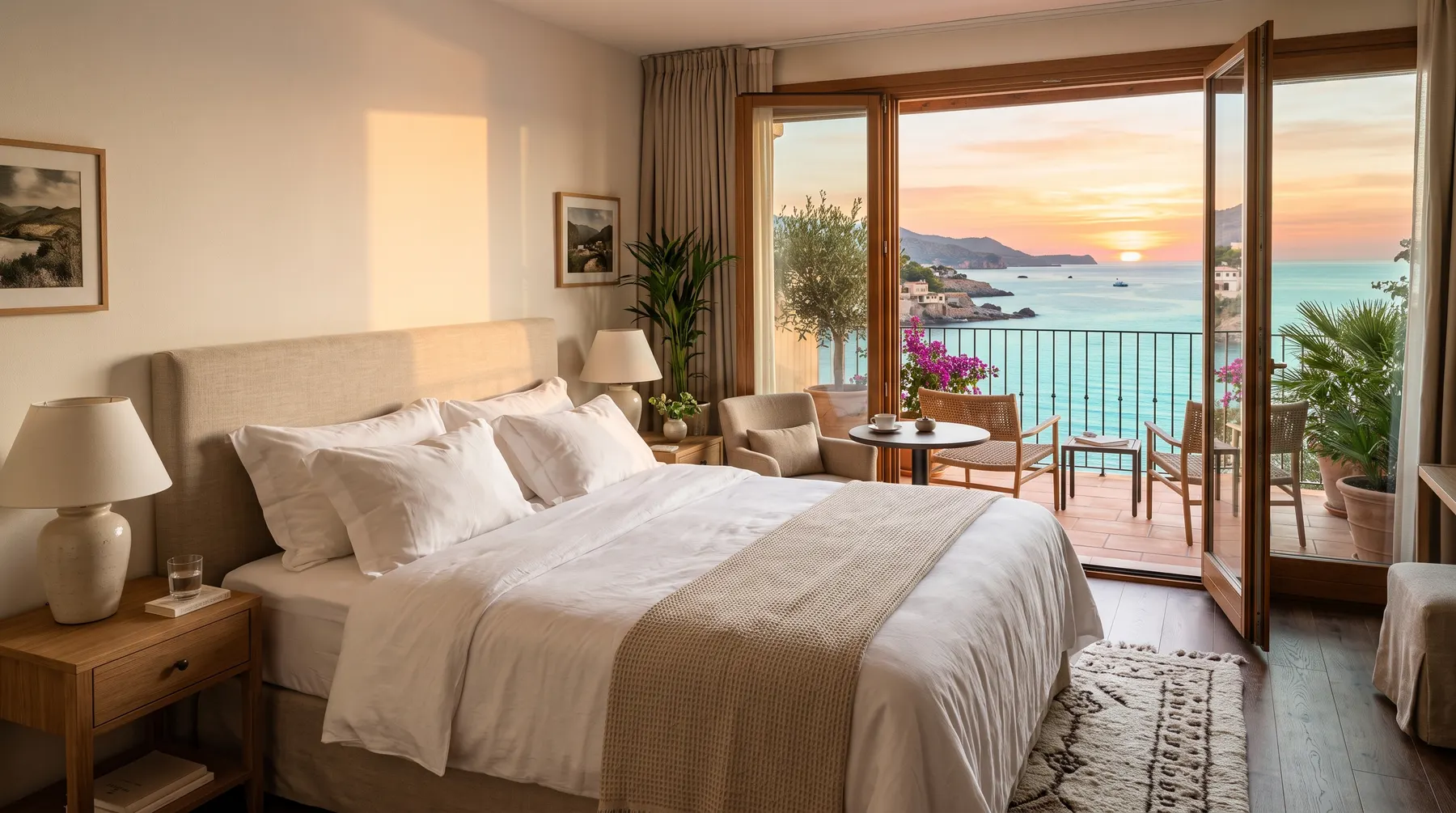
Integrated hotel guestroom case goods, bedframes, and nightstands.
European fire safety standards and timber compliance
Unlike domestic home furnishings, contract hospitality seating is strictly regulated for fire reaction. Because European fire codes are not completely harmonized across all member nations, buyers must stipulate their specific destination standard during the initial inquiry. In the UK and Ireland, fabrics and combustion modified foams must pass BS 5852 Crib 5 testing. Italian public venues require Class 1 IM compliance, while France mandates NF P 92-507 (M1 classification). Chinese factories specializing in export hospitality furniture maintain audited relationships with testing laboratories such as SGS and TÜV to provide valid batch certificates.
For timber furniture, European importers must track the entry into force of the EU Deforestation Regulation (EUDR). Importers must demonstrate that wood materials do not originate from deforested land and comply with relevant local harvesting legislation. Sourcing through certified manufacturers who maintain Chain of Custody documentation ensures that supply chain data can be produced for customs authorities.
The FF&E procurement workflow
A successful direct FF&E project follows five structured steps:
- Design brief and shop drawings: CAD drawings, joinery sections, and finish schedules are reviewed with factory production engineers.
- Pre production sample sign off: One physical piece of each key design is produced, inspected for dimensions and finish, and held as the master reference.
- Batch production run: Volume manufacturing proceeds with strict moisture monitoring of kiln dried timbers (targeting 8 to 10 percent moisture content).
- Pre shipment inspection: Independent inspectors examine joinery, surface finishes, hardware operation, and export carton strength before container stuffing.
- Container transport and delivery: Freight is routed directly to the property site or regional staging warehouse for scheduled installation.
Related furniture categories
Explore dedicated product lines and technical briefs across our contract furniture catalogue: